A PRACTICAL GUIDE · CORPORATE COMMUNICATIONS
Corporate photography: how to choose the right service and prepare a useful brief.
An executive portrait, a set of team headshots, an employer-branding story, photographs of a workplace and coverage of a conference all fall under corporate photography. Yet they call for different skills, schedules and production methods.
This guide is for communications, marketing and HR teams who want to specify what they need, compare photographers' proposals and ask better questions. The aim is to commission images that serve a real purpose — not simply book “a day of photography”.
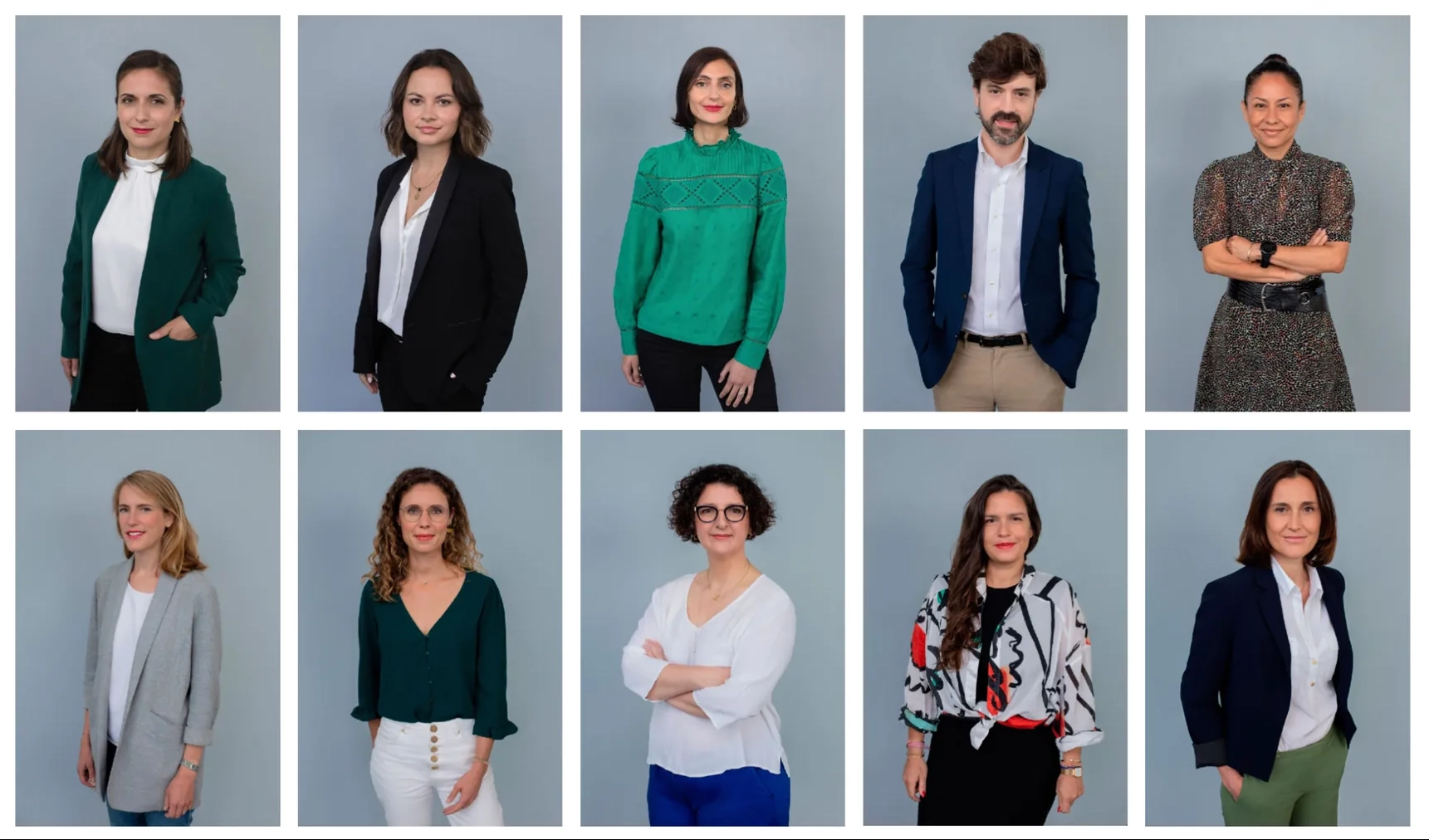
Corporate portraits: represent the individual and build a consistent visual identity.
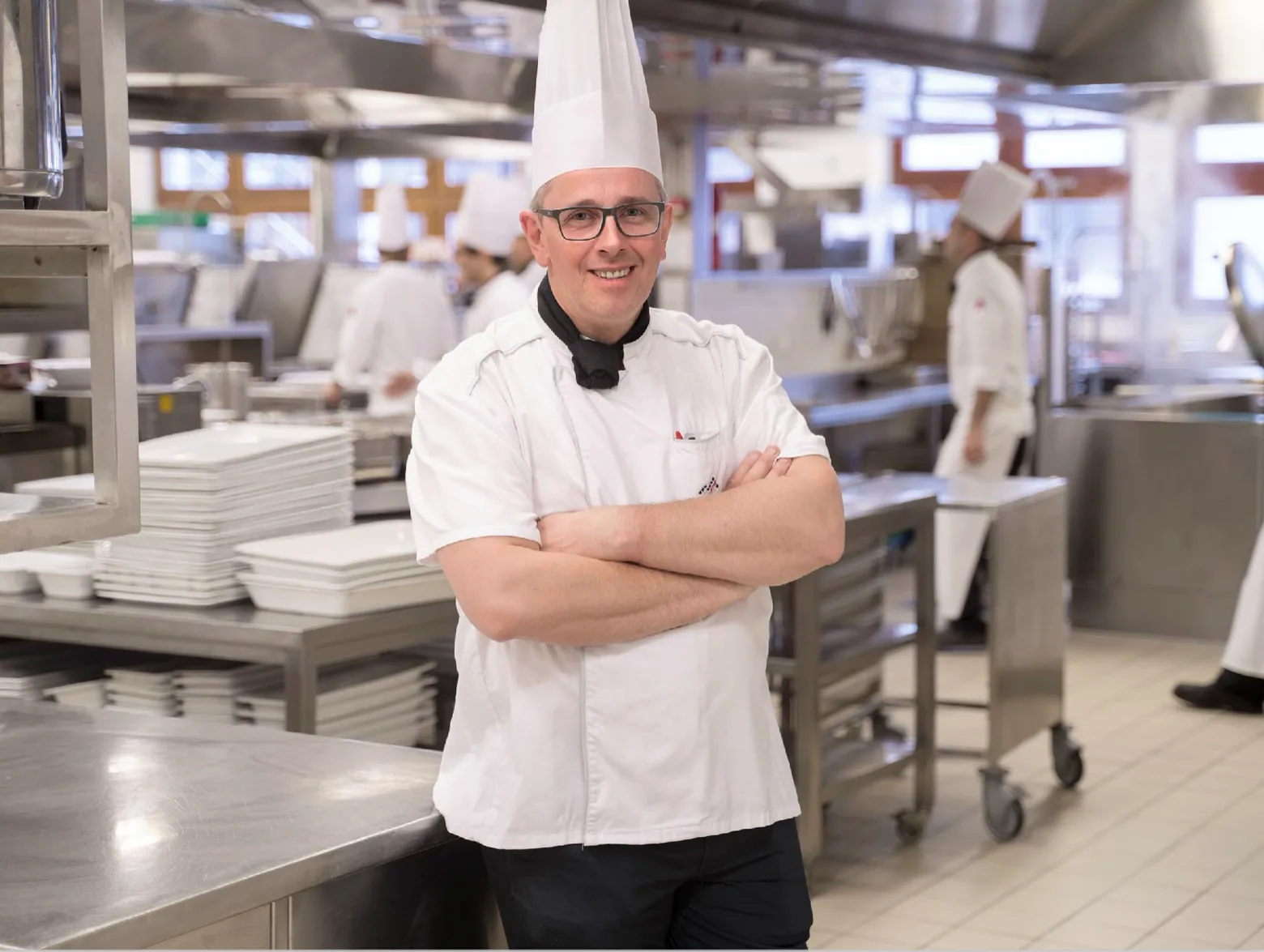
A good professional portrait must feel true to its subject while fitting the organisation's communications. That requires decisions about lighting, background, framing, expression, number of images, approval and future use. Consistency is not the same as uniformity: a team can have a recognisable photographic style without everyone looking identical.
Neutral background or environmental portrait?
Neutral-background portraits work well for staff directories, team pages, LinkedIn profiles, organisation charts and professional biographies. Their greatest advantage is repeatability. Someone joining the company in six months should be photographed in a way that fits the existing series. Background, camera height, lighting, focal length and retouching approach therefore need to be documented and kept consistent.
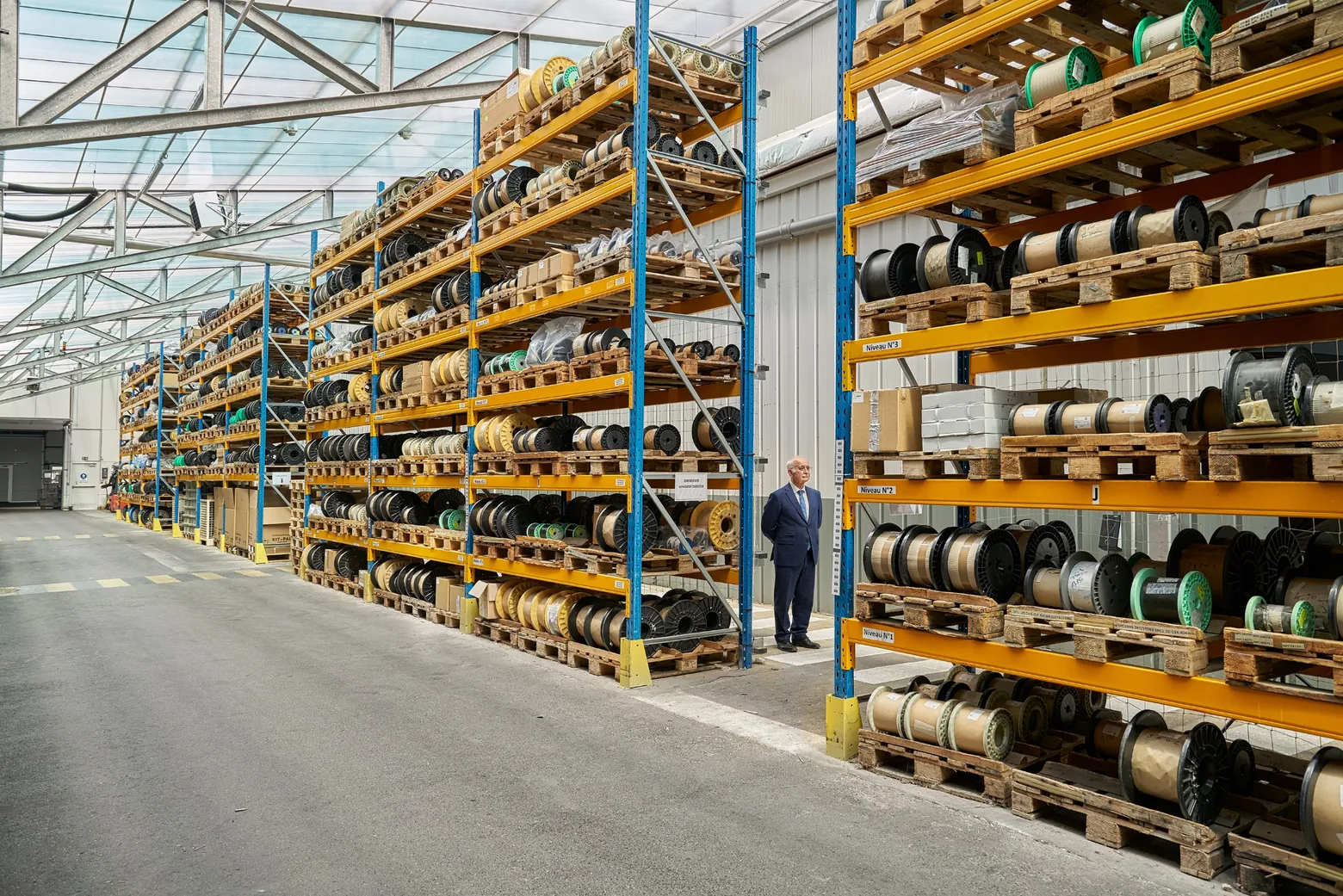
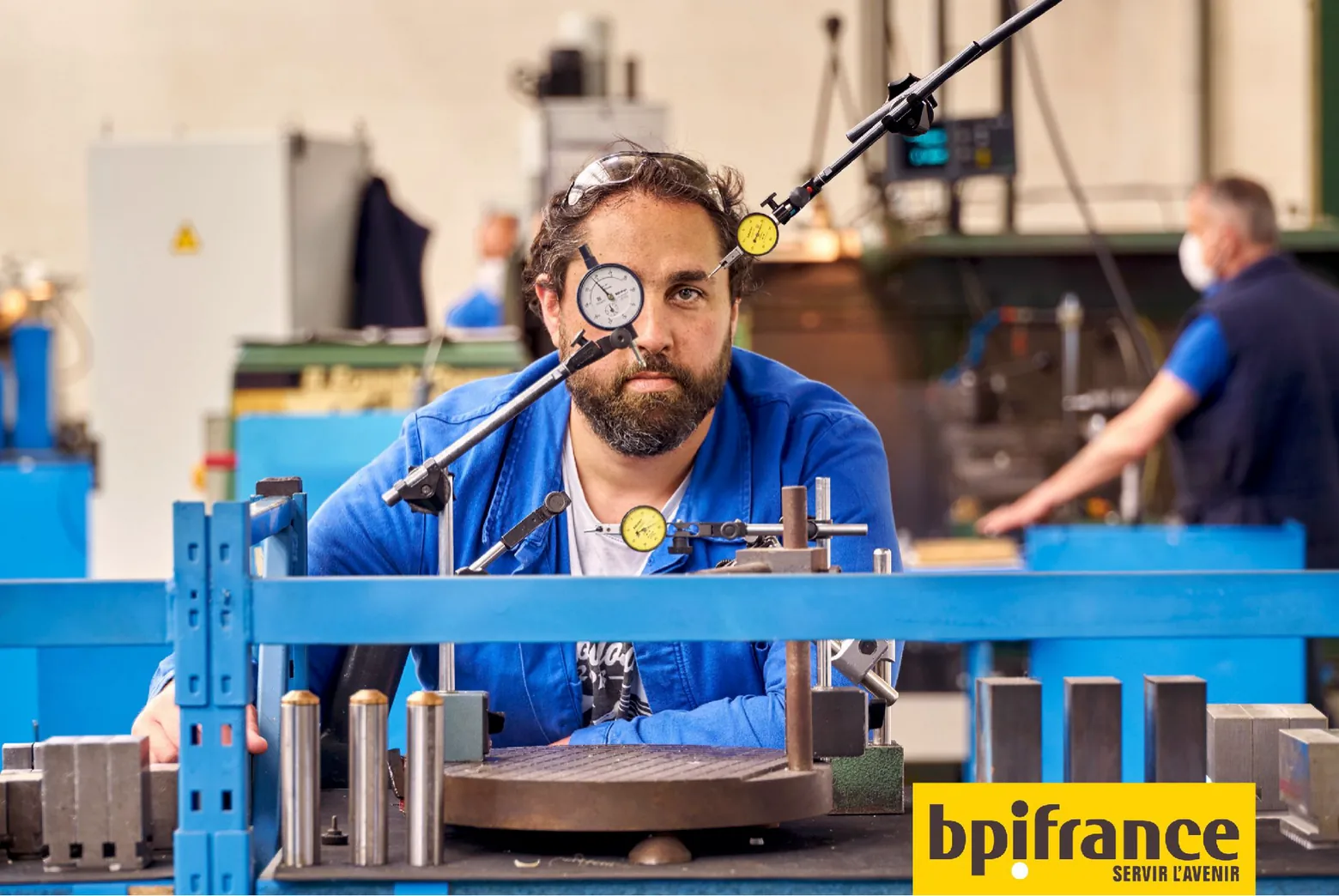
Environmental portraits carry additional information. An office, workshop, laboratory or industrial site can tell viewers something about a person's role and company. But the setting should support the subject, not compete for attention. Space, tidiness, permissions and available light all need to be considered.
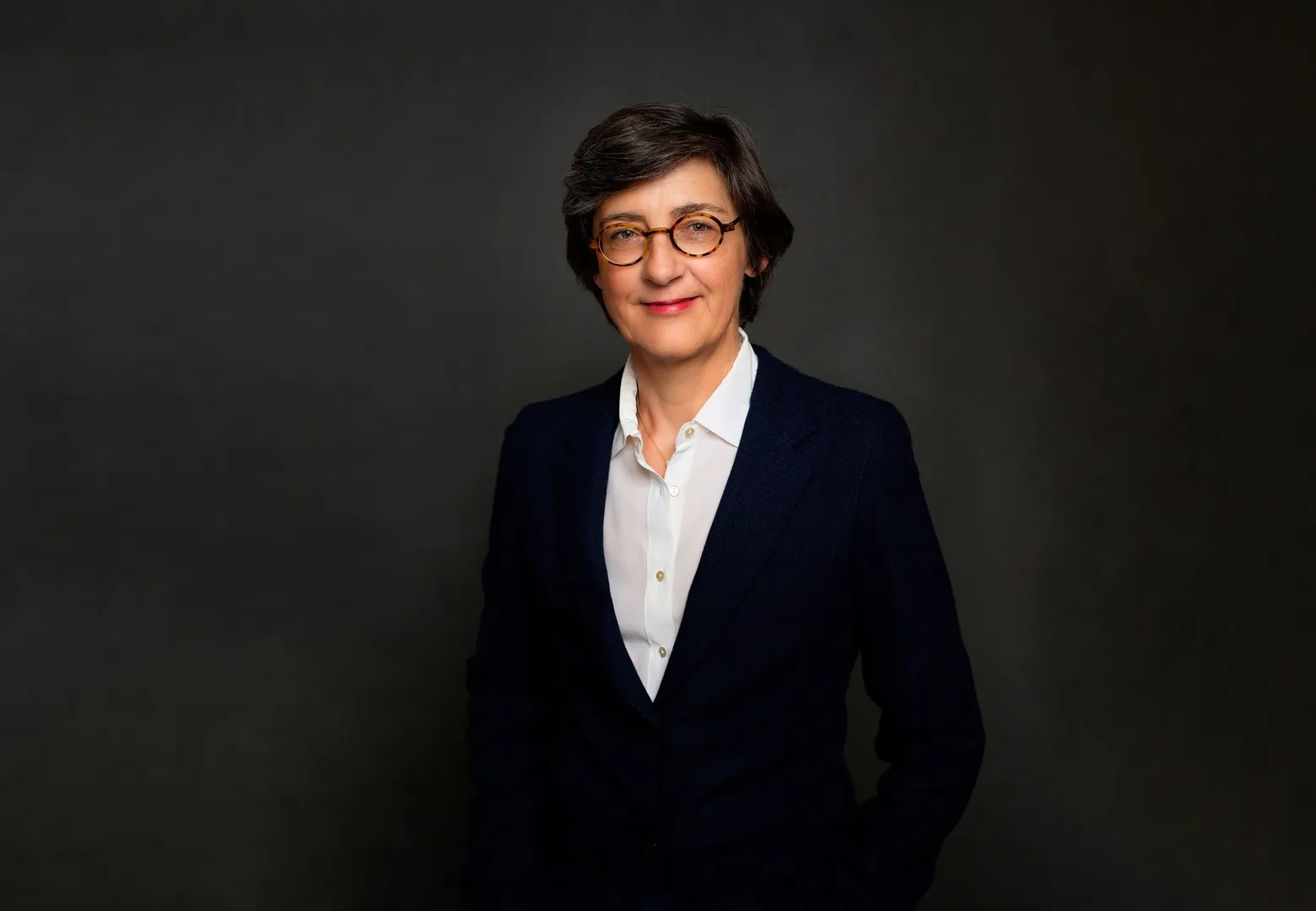
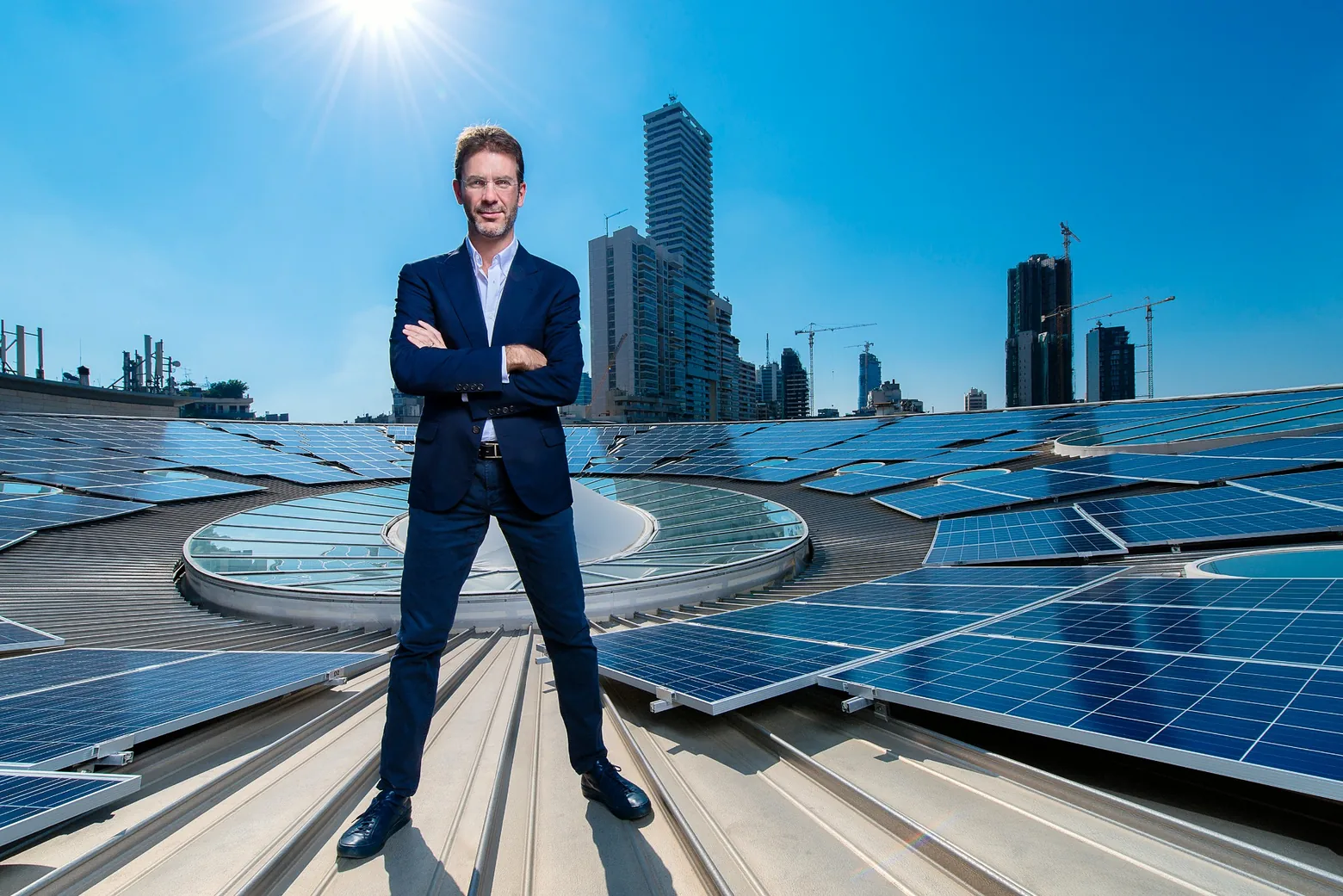
Why executive portraits often require more time
A short session can be sufficient to create one consistent portrait per employee. Senior executives often need something broader: a compact personal image library. That might include a LinkedIn portrait, a formal image for the annual report, an editorial portrait for the press, an environmental image for external communications, horizontal compositions with room for headlines, speaking portraits or photographs of the leadership team.
Different outfits, locations and visual approaches may be needed. Allow time for wardrobe changes, moving between settings, lighting adjustments, reviewing the images and selecting the final photographs. A better question than “How many photos can we get?” is “How many distinct uses do we need to cover?”
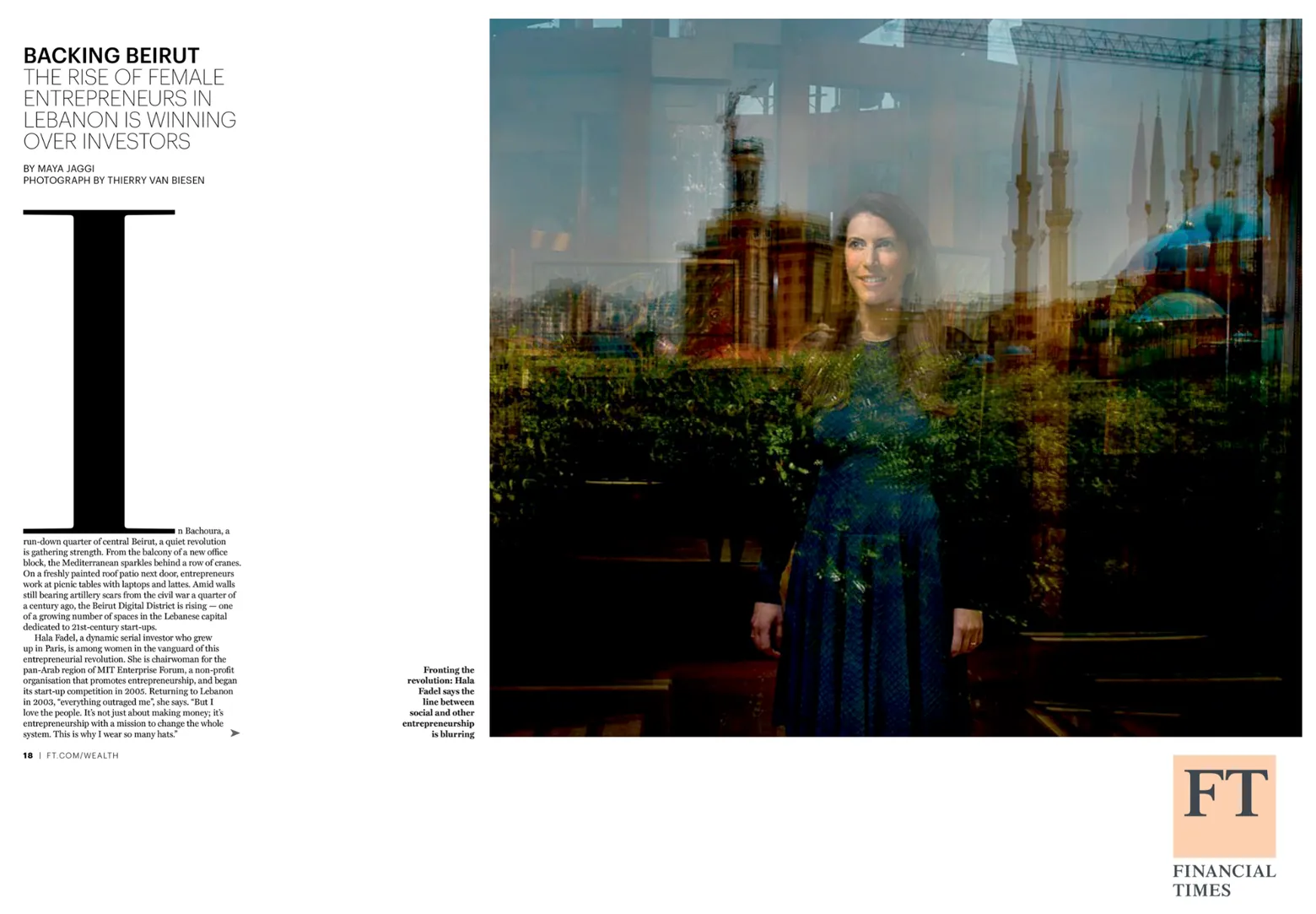
Putting people at ease, selecting and retouching
Not every employee is comfortable in front of a camera. Portrait photography also involves guiding the person: explaining the process, suggesting small adjustments to posture and gaze, and allowing enough time for confidence to develop. Tethered shooting, with images displayed on a screen as they are taken, lets the subject participate in the selection and helps prevent disappointing surprises at delivery.
Clarify the expected level of retouching: colour and minor blemish adjustments, or more extensive work? Agree on the number of finished images per person and who approves them. For larger teams, plan time slots, absentees, follow-up sessions and documentation of the setup so new arrivals can be photographed consistently.
What to clarify before requesting a portrait quote
- How many people, and which groups (staff, executives, spokespeople)?
- One setting or several: neutral background, offices, industrial environment?
- Which uses: LinkedIn, press, website, annual report, campaign, speeches?
- How many final images and formats per person?
- How much time per person, and how many outfit or setup changes?
- How will selection, retouching, approval and future sessions work?
Ask your photographer: “How will you maintain the same visual standard now and when new colleagues join us?”
Workplace photography: tell the story of people, skills and places.
Employer-branding and workplace photography are not simply about showing smiling colleagues at their desks. They should reveal real activities, skills, interactions, environments and expertise. A useful brief starts with the message: which jobs need explaining? What skills should the images demonstrate? What makes the organisation distinctive?
Photograph situations, not clichés
In a strong workplace story, wide shots establish the context, closer frames show people interacting, and details make skills understandable. A colleague familiar with the job can identify authentic actions and help avoid technical inaccuracies. This matters especially in industrial settings where machines, processes and information may be sensitive.
Observed documentary or directed scene?
There are two legitimate approaches. Documentary photography follows activity as it happens, accepting spontaneity and real constraints. Directed photography prepares or stages situations to make a task, person or location easier to understand. Neither is automatically better; intended use should guide the choice. Where factual accuracy matters, a re-created scene should not be passed off as an unplanned documentary moment.
Offices and property are part of the story too
A workplace project may include headquarters, offices, shared spaces, workshops, logistics facilities and a group's property portfolio. This can combine people photography with architectural photography, which calls for different considerations: perspective, daylight, use of the space, access times and preparation of the premises.
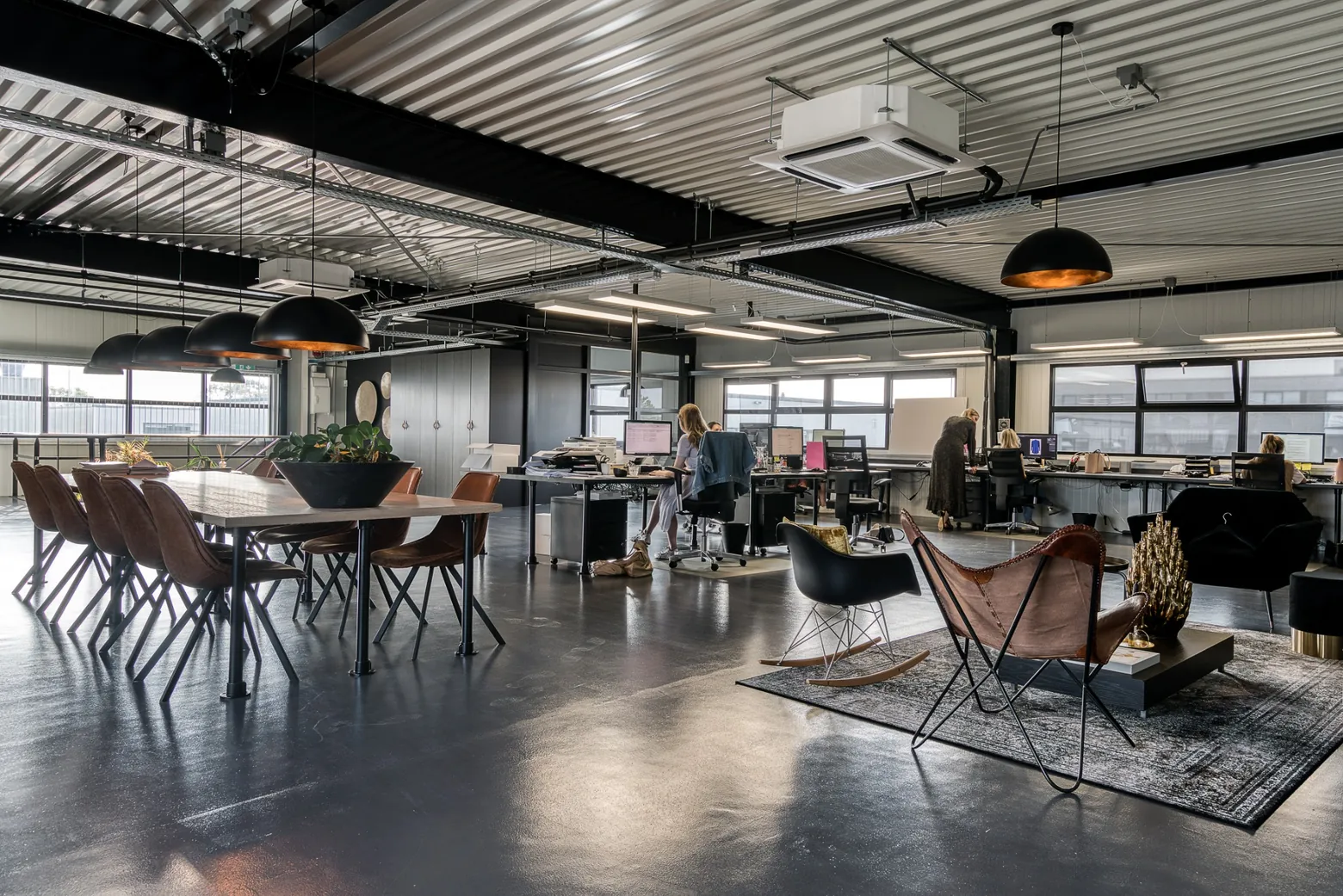
Photographing an empty building in the best light is a different job from photographing the same location while people are working. If you need both, say so in the brief.
Build a library that people can actually use
A good photograph is not necessarily an easy photograph to reuse. Communications teams may need vertical images for social media, horizontal images for websites, framing that leaves room for copy, close details and wider views. Think about captions, identifying locations and organising files so images remain easy to find months later.
For industrial locations, plan access permissions, protective equipment, confidentiality requirements, any necessary production shutdowns and who is authorised to approve what can appear in the final images.
What to clarify before requesting a workplace quote
- Which jobs, teams, locations and messages should be represented?
- Which moments should be documentary and which may be prepared?
- How many sites and journeys? What safety restrictions apply?
- Do you also need individual portraits, architectural views or technical details?
- Which formats and range of images are required for your channels?
- Who will caption, organise and approve images, and which permissions are needed?
Ask your photographer: “How will you organise the shoot to deliver an image library we can actually use, rather than just a selection of beautiful photographs?”
Event coverage: capture the key moments and plan how they will be shared.
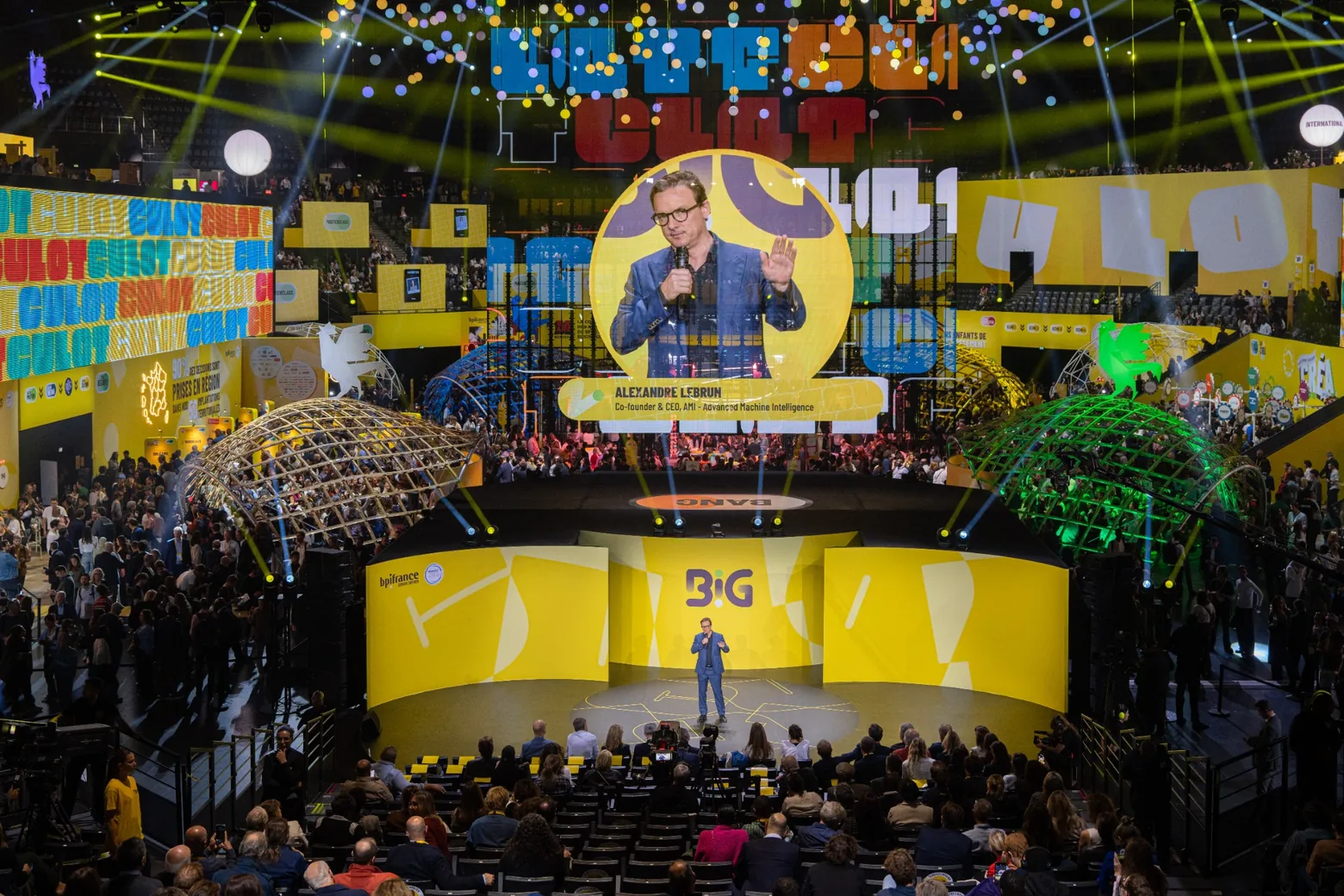
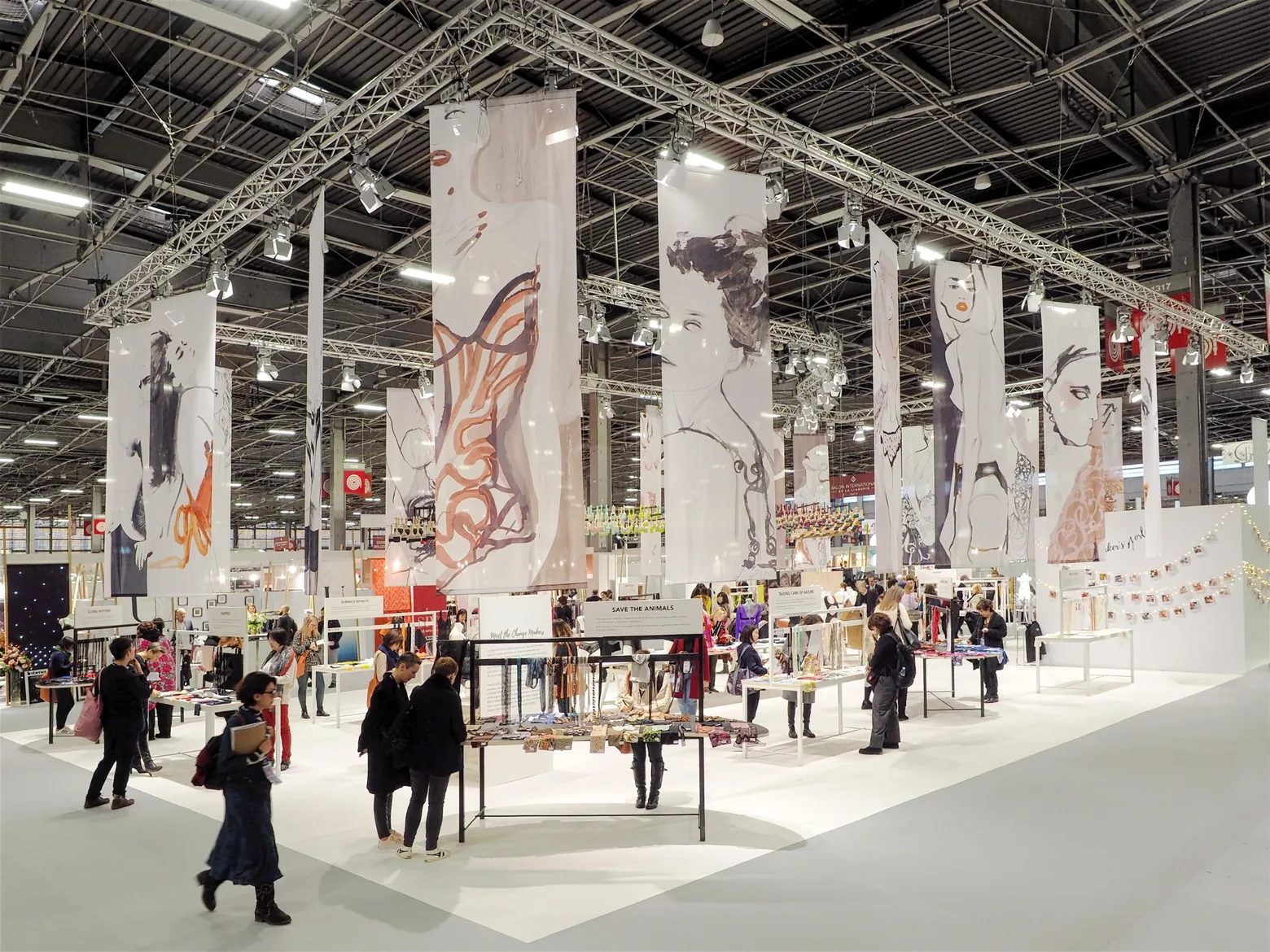
A company celebration, seminar, conference, convention or trade-show presence will each call for a different type of coverage. Some clients want a record of what happened; others need photographs for social media and press relations while the event is still taking place.
One photographer or several?
The deciding factor is not only attendance, but how many essential moments happen at the same time. If a keynote overlaps with a meeting on a stand at the other end of the venue, you must choose a priority or book more than one photographer. A detailed running order, floor plans, accreditation details and an organiser's contact are invaluable.
Delivery afterwards, throughout the day or almost instantly?
If images are mainly for a post-event summary or archive, delivery after the event may be sufficient. If the event is newsworthy, two different on-site workflows can provide images during the programme. Each serves a different need.
Neither workflow means that an entire gallery can be fully edited and delivered in seconds. Distinguish between urgent priority photographs, regular selections and the completed event gallery. Connectivity, venue access, image volume and approval requirements all matter.
How photographs move from camera to communications team
What to clarify before requesting an event quote
- Which event, dates, rooms and access hours?
- Which speakers, guests and sessions take priority?
- Are there overlapping moments that require several photographers?
- Do you need stage photography, stands, atmosphere, portraits or group shots?
- Which images need to be published during the event, how often, and who approves them?
- Which formats, final image volume, connectivity and post-event deadlines?
Ask your photographer: “Do we need a few photographs immediately or complete selections at regular intervals — and what people and technology will support that?”
Compare proposals: look beyond the number of hours on site.
Two photographers might both quote for “one day of coverage” but include very different services. To understand what you are buying, separate preparation, time on site, setup, travel, any assistants, image selection, retouching, approval management and delivery.
The images
Approximately how many finished photographs? Which framings? How many portraits per person? The number of shutter clicks tells the client very little.
Post-production
What retouching is included? Standard colour correction differs from background removal, extensive beauty retouching or complex compositing.
Usage rights
Which media, territories, durations and uses are licensed? Receiving an image file does not mean having unlimited usage rights. Also check the permissions needed for people and locations photographed.
Delivery
When, how and in which formats will you receive the files? Do you need folders by topic, captions, consistent filenames or a sign-off process before publication?
A strong brief does not need to prescribe the photographer's camera or lighting equipment. It should explain what the images must help you achieve. A good photographer should challenge assumptions, recommend a suitable setup and explain trade-offs among speed, quality, variety and cost.
“What do we want to be able to do with these images in six months, one year and three years?”
The answer often reveals the difference between a one-off session and a genuine image-production project.
LES CORPOGRAPHES · PARIS
A clearer brief. More useful images.
Aude Monier and Thierry Van Biesen work with companies, institutions and agencies on corporate portraits, workplace stories and events. We start by understanding your uses, constraints and communication goals before recommending a production approach.